Overview
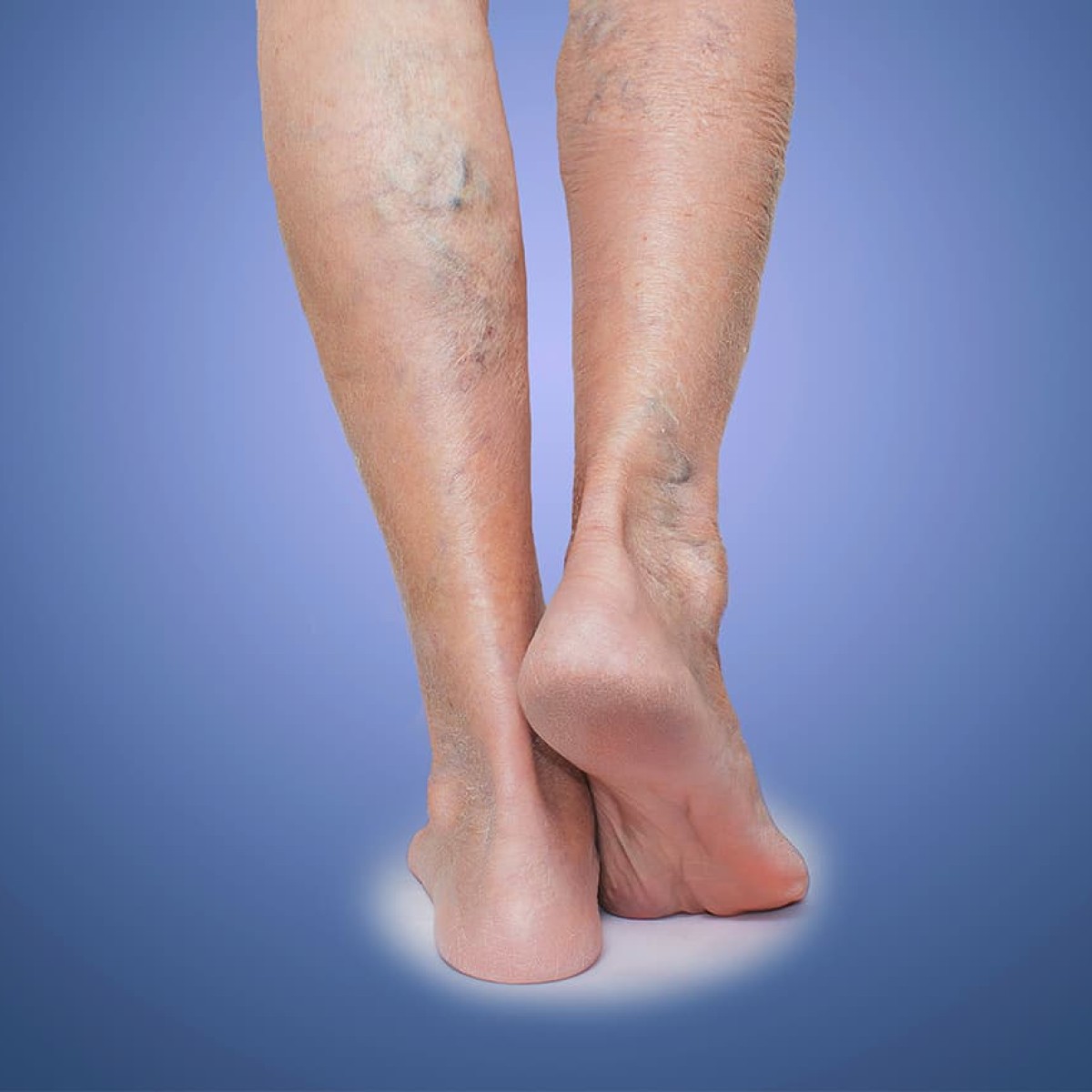
The swollen bulging and twisted bluish veins that become visible just beneath the skin surface and filled with abnormal gathering of blood, are known as varicose vein.
In Ayurveda literature the Varicose vein has no its separate elaborative identity as a disease but considered as a Siravikruty (venous disorders) and named as Sirakautilya or Kutilsira disease by commentators.
The scrutinize shows, may correlation with Siragranthi and is due to Vata Dosha. Siragranthi mentioned like Charak Sushruta, Vagbhatta, Madhavnidan etc. Sushruta described its cause as a person undertakes excessive exercise get his network of vein affected due to Vayu Dosha which in turn compresses squeezes and dries up and produce Granthi (swelling) which is raised and circular.
Symptoms
- Sign and symptoms of varicose veins and varicocele
- Well known dark blue vessels, especially in the legs and feet.
- Continuous pain or devotion along the course of vein.
- Easily tired legs.
- Heaviness in the affected area
- Swelling in the affected area
- Darkening of the skin
- Numbness in the legs or scrotum
- Itching or irritating rash in the legs or scrotum
- Burning sensations.
- Night cramps.
- Exercise intolerance.
- Bulging, rope-like, bluish veins indicate superficial varicose veins.
- Aching and heaviness in a limb, sometimes with swelling, but without any prominent or visible blue veins, may signal a deep varicose vein.
- Discoloured, peeling skin, skin ulcers and constant rather than intermittent pain
Types
Different types of varicose veins present in legs and varicocele.
1) Truncal varicose veins
2) Varicosities of extremities
3) Reticular varicose veins
4) Side branch varicose vein
5) Telangiectasia varicose vein
6) Spider vein
Specific Ayurvedic Treatment for Varicose
In Ayurveda Siravedha (bloodletting procedures) is indicated in Siragranthi (Varicose) and among bloodletting procedures leech therapy is safe and easier. Leeches are applied as a normal method on site of varicose vein and followed by general Panchakarma procedures.
Elastic crepe bandage application from below upward or use of pressure stockings to the limb- pressure gradiant of 30-40 mmHg is provided.
Elevation of the limb –relieves oedema. Two short times, during day and full night, elevation of foot with feet above the level of heart and toes above the level of nose is the method.
Changes in diet and lifestyle
The condition of varicose vein can be prevented by the increase in the protein supply to the lower limb region. Garlic and ginger can break down the protein content in the body and distribute it evenly. Onion helps in the proper assimilation and distribution of protein in the human body. it is said to increase inner strength. . Arjuna and Guggulu are highly recommended to improve blood circulation and reduce inflammation.
Engaging in appropriate exercises that suit individual capabilities complements the daily Ayurvedic treatments.